Showing posts with label storytelling. Show all posts

Wednesday, January 10, 2018

Reading before bedtime

What to do after holidays to have our routines back?

After our winter break we need to come back to our habits and daily lives. 

Sometimes, the time to go to bed becomes a real nightmare, especially with the little ones. After a story, they want another and another... The stories are specially designed to make our children yawn and get them to sleep or to close their eyes while we read before bedtime. Here you have a small selection of perfect books to read at the end of the day that will surely help you in this arduous task. The selection of the books are proposed in the article 10 cuentos infalibles para ir a dormir (free and non-commercial translation of some parts)

Some of the stories are played by animals and others by children, some are realistic and others more fantastic, some are longer and others are shorter ... but they are all about emotions (sadness, optimism, hatred, the surprise, the calm, the boredom ...), to help the children to know their feelings and manage them.

Cuentos para ir a dormir para niños


A todos los niños y niñas les gusta escuchar cuentos antes de dormir y más cuando los personajes viven aventuras en barcos o en magníficos castillos llenos de princesas.

All children like to listen to stories before they sleep and more when the characters live adventures on boats or in magnificent castles full of princesses.

Un beso antes de dormir


Todos los bebés animales besan a su madre antes de dormir. Un libro de cartón con tiernas ilustraciones para leer a tu hijo antes de ir a dormir.

All animal babies kiss their mother before sleeping. A cardboard book with cute illustrations to read to your child before going to sleep.

El libro de las buenas noches


Un libro increible para ir a dormir en el que se cuenta al niño cómo duermen diferentes animales.

An amazing book to go to sleep in which the child is told how different animals sleep
.

Cómo dormir a tu león


Seguro que a tu león le ocurre lo mismo que a Leoncete: por muy cansado que esté, ¡nunca quiere irse a la cama! No te preocupes, Guille sabe bien cómo hacerlo. ¡Abre este libro y descúbrelo!

Surely your lion is the same as Leoncete: no matter how tired he is, he never wants to go to bed! Do not worry, Guille knows how to do it. Open this book and find out!

Todos bostezan


¡Un libro ideal para los niños que se resisten a irse a dormir! Cada doble página presenta a un animal que, bostezando, nos muestra su enorme boca mediante un mecanismo de solapa, hasta que al final… ¡todos duermen! Un libro de compañía para compartir con tu hijo el momento mágico de irse a dormir.

An ideal book for children who are reluctant to go to sleep! Each double page presents an animal that, yawning, shows its huge mouth through a flap mechanism, until in the end?? everyone is sleeping! 
A companion book to share with your child before the magical moment of going to sleep.

El conejito que quiere dormirse


El cuento de El conejito que quiere dormirse es un nuevo método para que los niños se duerman. Traducido a varias lenguas, este libro revolucionario ha ayudado a miles de padres en todo el mundo a conseguir que sus hijos concilien el sueño gracias a las innovadoras técnicas psicológicas que aparecen a lo largo de la historia.

Escrito en un lenguaje sencillo, este libro logra que los niños se relajen y se queden dormidos antes incluso de que termine el cuento.

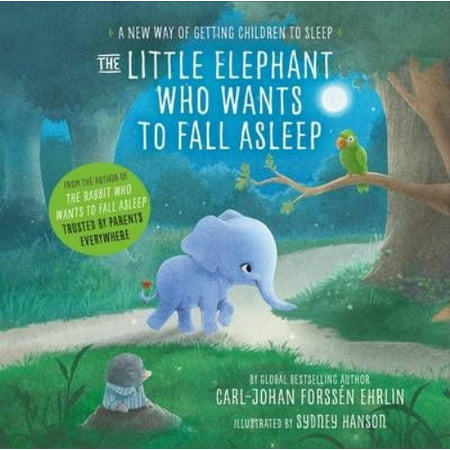
Y si quieres más, conoce el nuevo libro de Carl-Johan Forssén Ehrlin La elefantita que quiere dormirse


The story of The Bunny that wants to fall asleep is a new method for children to fall asleep. Translated into several languages, this revolutionary book has helped thousands of parents around the world to get their children to sleep thanks to the innovative psychological techniques that appear throughout history.

Written in simple language, this book makes children relax and fall asleep before the story ends.

And if you want more, know the new book by Carl-Johan Forssén Ehrlin The little elephant who wants to fall asleep.

Cuentos bonitos para quedarse fritos


Cuentos bonitos para quedarse fritos es un divertido libro recopilatorio de cuentos que llega para hacer frente a la insistente petición de todos los niños que quieren un cuento antes de acostarse (¡y sobre todo a la de los padres que quieren que sus hijos se duerman pronto!).

Beautiful stories to stay fried is a fun storybook compilation that comes to face the insistent request of all children who want a story before bed (and especially to parents who want their children to fall asleep soon !).

Mi Camita


Mi Camita es un álbum ilustrado que también puede servir de apoyo para vencer o superar otros miedos infantiles, como el miedo a los malos sueños, el miedo a la noche o el miedo a la oscuridad.

Este es un cuento que debería ser contado en el momento de ir a dormir, y preferiblemente en la propia cama del niño o niña. Aunque también puede ser utilizado en la guardería o en la escuela para inducir a los niños a reflexionar acerca del momento de ir a dormir.

Mi Camita is an illustrated album that can also serve as a support to overcome other childhood fears, such as fear of bad dreams, fear of the night or fear of the dark.

This is a story that should be told at the time of going to sleep, and preferably in the child's own bed. Although it can also be used in daycare or school to induce children to reflect on the time to go to sleep.


¡Uno más, por favor!


¡Pídele a tu hijo que escoja su «cuento corto a la carta» girando la rueda mágica de este libro! En ella encontrará sus personajes y sus escenarios favoritos: hadas, niños, ratones, bosques, lagos o castillos... Una vez que haya escogido los que más le gusten, tú podrás leerle el cuento en tres minutos y él, después de escucharlo y disfrutarlo, dormirá tranquilo y feliz.


Ask your child to choose his "short story on demand" by turning the magic wheel of this book! In it you will find your favorite characters and scenarios: fairies, children, mice, forests, lakes or castles ... Once you have chosen the ones you like the most, you can read the story in three minutes and s/he, after listening to it and enjoy it, will sleep calm and happy.

Saturday, November 11, 2017

El otoño y las hojas

El otoño y las hojas

Project Base Learning: The Fall / El Otoño.

Las hojas del otoño y sus formas y colores son muy útiles en las clases de Dual Language Prek4. 

En este post veremos como podemos usar las hojas del otoño para nuestro proyecto.

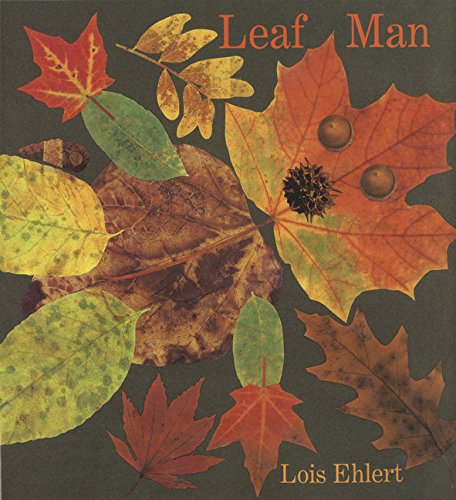
Para despertar la motivación y las ganas de aprender de nuestros estudiantes empezamos con la lectura del libro The leaf man por Lois Ehlert

Antes de la lectura del libro repasamos que vemos a nuestro entorno como en los parques y calles de nuestra ciudad, como están los árboles, qué les ocurren a las hojas,... para prepararlos para la actividad de lectura. Pueden encontrar respuestas variadas y divertidas que nos servirán para crear conexiones con esta historia.

A lo largo del cuento veremos cómo el hombre hoja va recorriendo diversos paisajes encontrándose con otras hojas y formas... Aquí un breve video de su lectura en inglés.


Para trabajar la comprensión lectora se les puede proponer una actividad sobre las secuencias de la historia. Se les ofrecen unas imágenes que corresponden a distintas escenas de la historia que acaban de leer y las deben poner en orden.


Mas actividades sobre este libro Leaf Man:


    - Este enlace es una guia del profesor creado por Harcourt Publishing Company. Ofrece una gran cantidad de preguntas y de actividades para poder hacer tanto en la escuela como en casa.


    - Esta web es un club del libro virtual para los más peques que ofrece actividades manuales sobre este divertido libro.


    - En este blog encontraremos algunas actividades de lectura y escritura sobre este libro y sobre las hojas del otoño en general.


Otras actividades

Aprovechando que podemos dar un paseo por el parque, podemos observar el paisaje, la ropa que usamos y la comparamos con las de otras estaciones del año, podemos recoger hojas y ramas,...
A continuación ofrecemos más actividades para poder realizar con estas hojas:

Mesa de la luz

En la mesa de la luz ponemos las hojas para poder verlas desde otra perspectiva. Es una nueva experiencia para ellos y una magnifica oportunidad para expresar lo que ven con los demas. Después de ver y compartir pueden realizar sus dibujos.


En casa, si no tenemos mesa de la luz, podemos usar una lámpara o la misma ventana para poder ver las hojas a través de la luz.

Bloques

Se pueden pegar las hojas del otoño a los bloques y crear un árbol. Con esta actividad conseguirmos que trabajen en equipo, lo ideal es que puedan organizarse ellos/as solitos/as con la ayuda de una imágen de un árbol como referencia.

Pintura

Poder dibujar con las hojas que recojamos del parque puede ser una gran oportunidad para poder desarrollar sus habilidades artísticas y su creatividad, así como la imaginación. Pueden cubrir las hojas con diferentes colores y plasmarlas en el papel para poder crear así sus pinturas.

Dibujo

De la misma manera que hemos hablado anteriormente sobre la pintura, en esta ocasión proponemos otra variante: colocar las hojas debajo del papel donde van a dibujar y sombrear con sus colores favoritos. El resultado una gran variedad de figuras de hojas y colores.

Otra variante es colocar las hojas encima de las hojas, pegarlas con cinta adhesiva, y colorear encima, sobre todo por sus bordes. Cuando se despeguen se verán sus formas con diferentes colores.

Matemáticas - clasificación

Una vez tengamos un buen montón de hojas, una actividad para empezar podría ser las de clasificación, ya sea por formas, tamaños (de grande a pequeño o viceversa), colores (gradación de las tonalidades),...

Matemáticas - conteo

Una posibilidad para aprender a contar e identificar los números puede ser crear varias columnas donde aparecerán los números del 1 al 10 y dejar un espacio para poner las hojas.

Otra variante de esta actividad es escribir en un envase los números y meter dentro el número de hojas que nos indiquen, es decir, el número escrito en las etiquetas.

Matemáticas - grupos

Para poder trabajar agrupamientos, ponemos unas hojas de un color y/o forma diferentes y las agrupamos con las mismas características.

Matemáticas - parejas

Una variante del ejercicio anterior es poder hacer parejas con las hojas teniendo en cuenta sus formas, tamaños y colores.

Matemáticas - formas

Para trabajar las formas en nuestra clase de infantil (prek4) usamos las diferentes hojas que se encuentran en el parque y decimos a qué forma corresponden: cuadrado, triángulo, círculo, rectángulo, óvalo, estrella, corazón,...

Matemáticas - patrones

Como hemos hablado en las anteriores actividades: formas, colores, tamaños,... con ellas también se pueden crear patrones AB, ABC, AABB,... de todas las formas posibles.

Letras

Nombre

Usando las hojas se pueden pegar en una hoja para crear las formas de las letras y hacer nuestro nombre.

Una variante de la actividad anterior es crear una letra grande con las hojas, ya sea en papel o en el suelo.

Emparejar letras

En las hojas se escriben las letras mayúsculas y minúsculas para después emparejarlas con sus correspondientes letras.

Crear palabras

Usando las hojas con las letras escritas podemos crear palabras de nuestro entorno, nuestro nombre y la de nuestros amigos y familiares,...

Motricidad fina

Para trabajar la motricidad fina se pueden hacer agujeros en las hojas, se pueden sostener con pinzas, se pueden insertar en una rama...

Plastilina

Con la plastilina se pueden crear las hojas que han recogido.

Centro del fabricante (Creatividad)

En un rollo de plastilina u otro material donde se pueda pegar, se pegan las hojas para crear un erizo u otro animal del otoño.
Image result for activites pour enfants sur l'automne

Retratos

Con las hojas, ramas y otros objetos que hemos recogido del otoño podemos crear retratos de nosotros mismos, de nuestros amigos y/o familiares. Podemos usar una base en forma de círculo u óvalo para poder pegarlos y crear los retratos.
Imágen tomada de google.com (retratos con hojas)


A continuación algunas imágenes que he podido encontrar en google.com sobre actividades infantiles con hojas relacionadas con el otoño y este libro:


Friday, September 22, 2017

Habia una vez... un ejemplo y de ahi surgio todo!

"El principio de la educación es predicar con el ejemplo." A. R. J. Turgot.

Después del CUENTO de esta tarde, ¿comprobamos cómo ayudan los cuentos en el aprendizaje de nuestr@s peques?
¿Tienen los cuentos valor educativo?
¿Hay que descartar los cuentos clásicos o adaptarlos a nuestros tiempos?
¿Contar cuentos? Parece que las nuevas tecnologías están modificando esta costumbre.

Muy interesante el debate sobre los cuentos, cómo se abordan sus historias y sus aplicaciones pedagógicas.

http://www.rtve.es/alacarta/videos/para-todos-la-2/para-todos-2-debate-educar-cuentos/2799680/
Coloquio entre Sonia Kliass, psicóloga en desarrollo infantil; Gemma Pujals, profesora de Didáctica de la Lengua y literatura y Albert Marquès, narrador profesional.


Tuesday, March 7, 2017

How to create a comic with basic tools

The next comic has been done with basic tools:

- Camera to take pictures.

- Paint to modify the pictures.

- Word processor to add titles, bubbles and other comic characteristics.


First of all, a design of the story is strongly recommended, I mean, what story your students want to tell. You, as teacher/parent/educator, can help them with the topic of the story.
One idea is to ask for some topics they are interested in and the do a survey with all your students. In this way you encourage them to participate as well as they feel motivated. Once your students have decided what to tell, it is time to organize the story. In my case, I teach them that every story has three mainly parts, remember that it is focused on PreK students: beginning, middle and the end. And please, try to help them with examples of stories they already know (and even better, the most recent stories told in classroom) and let them identify each part.
The story decided to tell is about the recess time, since today it had rained early in the morning and some parts of  the garden were wet. I tried to help them by asking them how we usually prepare to go to the outdoor learning area. Then, one by one started to tell me how: they are in a line, the students in charge of the doors go to their positions,... other students wanted to share other ideas to use in the story. After that, I looked through the window and everything was wet, my next question was what would happen if you were in the garden. Again, help them, please, with connections to their experiences... until some of them can say something to add to the story; indeed, they gave us some ideas for the story. And eventually we got this amazing story with my "champions".


If you have a tablet with an ebook reader app you can download this file https://drive.google.com/file/d/0B4elwj35ibmYNm9mLVFmX0hkMzQ/view?usp=sharing and they can read it.

Publish at Calameo

Calameo is a free web that sets your documents as a traditional book. When you and your children finish your comic, you can save it as a .pdf file, then upload it on this web. There, you can have more options to choose and share it with your friends.

If you prefer to do it by using an app with music, you can use Adobe Spark Video. Open this app and add the pictures that you and your children have selected to create a comic. Besides, you can add some music.
Have you seen how easy it is? Do you think you can do one comic with your children? If so, it is going to be a good time to enjoy creating a story together.

If you want to share your beautiful and awesome story, please, leave a comment with your file.

By Mr Usero.
Comic-Creator Project.

Wednesday, March 1, 2017

Comic Project - Home extension activity with Digital Storytelling resources.

Recounting stories has been a part of our culture and history since the beginning of time. As far back as we can remember, stories were told from generations before us. Since we live in an ever changing world in which technology takes precedence, we should also evolve with the changing times. Thanks to the internet and the advancement of technology, we as educators have the knowledge needed for our students at the tips of our fingers. In doing so, we must prepare our students as best as we can to not only use the resources available to them by touch but also digitally.
At Ninfa Laurenzo Early Childhood Center, there stands a room tucked in the far corner of the hallway, room 8 to be exact where students are becoming tech savvy in their own right. Thanks to the donations of one of my parents, Silvia Mintz Attorney at Law, through the website donorschoose.org, my students are now able to use the tablets donated to enhance their learning.  While the students use the tablets and other technology resources, we must inform parents that technology can also be used at home to help students grow in their learning
Digital devices are engaging and motivating tools that help parents and students with home extension activities, especially for our current project on Comics.

Portrait Avatar Maker is a service which provides character icons completely free of charge! It is a great way to develop their avatar as they see themselves and an easy tool that can give you many options to create your avatar easily. Every button is an option to add to your avatar, and then you can change colors as needed. Even the background can be changed to one you most like according to your job, hobbies, and or interests. It is a great activity for children to review body parts, colors, and shapes.

If you need help to create your own portrait or avatar, please click on this link.

It is easy because it shows you lots of options to add like different characters, places, objects,... In addition, you can write dialogues in different styles and the typical letters of comics. It´s very intuitive and you can put all the images as you like. It is a very useful tool.


ToonBook is an amazing tool to create your own comic. This web can help you teach your students contents and vocabulary within an interesting and engaging story. This one "Beary goes to school" tells us the story of how Beary goes to school and the things he likes. We learn how to say "I LIKE"

Here, a little story by Mr. Usero.

With Super Duper StoryMaker, you can create all the picture and photo stories you want and tell them over and over — plus, you can make your own photo albums, special occasion cards, comic books, etc. Educators and parents will love StoryMaker because it helps children practice learning skills, such as reading, sequencing, vocabulary and more...


Another amazing app to create your avatar and tell your story.


- Adobe Spark
Create impactful social graphics, web stories and animated videos with Spark’s free graphic design app.


These are some resources that parents can use with their kids at home to practice all we do at school, or for others who what to work on comics at early stages of education.


Now, it's your turn to show your work and how your children get amused when learning at home with digital storytelling tools and comics.


Written by Francisco Usero Gonzalez.
Edited by Angelica Saenz.